


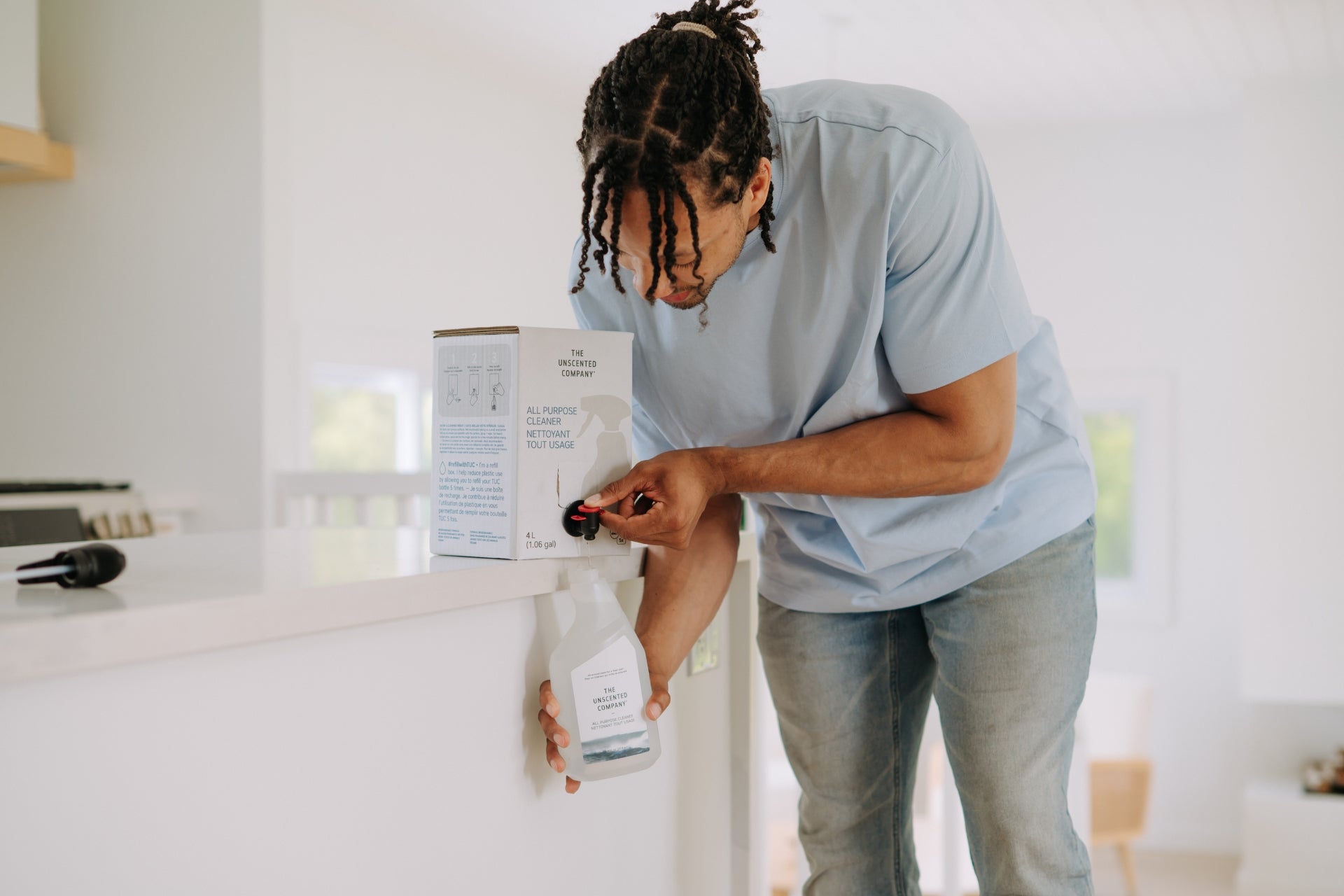
Spring is here, and with it comes the desire for freshness and renewal. It is the perfect time for a responsible spring cleaning. This annual task can be transformed into a positive and lasting habit. This approach focuses on simple methods and products to achieve sparkling cleanliness. This guide will walk you through it step by step for an effective and well-organized spring cleaning.
Table of Contents
- Why choose a responsible spring cleaning?
- How to properly prepare for spring cleaning
- Beyond vinegar: solutions for stubborn messes
- The room-by-room cleaning guide
- Complete spring cleaning checklist
- Keeping your home clean all year round
- Conclusion
- FAQ
Why choose a responsible spring cleaning?
Choosing a thoughtful spring cleaning offers benefits that go far beyond simple cleanliness. It is a choice that benefits both your well-being and your budget.
Choosing simple products helps create a healthier indoor environment. It can help reduce your family’s exposure to volatile organic compounds found in some commercial cleaners, for more pleasant air and greater day-to-day comfort, especially for children and people who are sensitive to allergies or asthma.
In addition, choosing refillable options can lead to significant savings while reducing plastic waste. It is a step toward a more sustainable and mindful lifestyle, as highlighted by the David Suzuki Foundation.
How to properly prepare for spring cleaning
Good preparation is the key to successful spring cleaning. Before you begin, gather your essentials and plan your approach.
You only need a few basic ingredients. On the tools side, durable and reusable supplies can make cleaning easier and more effective. Microfibre cloths capture dust and dirt well. Wooden brushes are sturdy and can last for many years. Machine-washable sponges are also a practical option for regular upkeep.
To prepare your cleaning solutions, you can use reusable empty spray bottles. They allow you to mix and apply your cleaners easily while reducing plastic waste.
Beyond vinegar: solutions for stubborn messes
Although cleaning vinegar is a powerful ally, stronger alternatives also exist for specific spring-cleaning challenges.
|
Problem |
Solution |
Ideal for |
Precautions |
|
Stubborn limescale |
Citric acid |
Kettles, coffee machines, toilet bowls |
Wear gloves |
|
Baked-on grease |
Washing soda crystals |
Burnt pans, range hood filters |
More corrosive than baking soda |
|
Sticky surfaces |
Black soap |
Countertops, range hoods |
None |
|
Fingerprints |
Switches, handles, stainless steel |
Ventilate well |
|
|
Textile stains |
Tile grout, white laundry |
Do not mix with vinegar |
Citric acid deserves special attention. This descaler is much more powerful than cleaning vinegar for removing limescale deposits. Simply dissolve one to two tablespoons in one litre of hot water.
Washing soda crystals are champions at degreasing. More alkaline than baking soda, they lift baked-on grease. They are perfect for cleaning range hood filters.
For effective everyday cleaning, an all-purpose cleaner with no added fragrance is ideal for all surfaces in the home.

The room-by-room cleaning guide
Bedrooms and living spaces
Start by airing out the rooms. Wash all bedding. Take the opportunity to flip your mattress.
Dust thoroughly, from top to bottom. For spotless windows, mix equal parts cleaning vinegar and water, then scrub with a Kliin cloth.
Kitchen
The kitchen deserves special attention. Degrease the range hood with washing soda crystals, clean the oven with a baking soda paste, and descale the kettle with citric acid. For dishes, choose a dish soap with no added fragrance.
For a deep clean, see our guide on how to clean the kitchen efficiently.
Bathroom
The bathroom requires a specific approach. Descale the fixtures with citric acid and clean the grout with sodium percarbonate. For the toilet, choose cleaning tablets.
For specific advice, explore our dedicated article on how to clean the bathroom with environmentally friendly products.
Often-forgotten tasks
Remember to clean the baseboards. For light switches and door handles, wipe them with a cloth soaked in 70% alcohol to freshen them up. Dust light fixtures and light bulbs.
Complete spring cleaning checklist
General
- Declutter each room
- Dust walls and ceilings
- Clean light fixtures
- Wash curtains
- Clean the windows
Kitchen
- Degrease the range hood
- Clean the oven
- Descale the kettle
Bathroom
- Descale the fixtures
- Clean the grout
- Clean the toilet bowl
Keeping your home clean all year round
The biggest challenge after this deep cleaning is maintaining that level of cleanliness. The key lies in establishing a simple weekly routine. It is better to spend fifteen minutes a day on upkeep than to start all over again with another exhaustive deep clean.

Conclusion
Responsible spring cleaning is much more than just a chore. It is a rewarding approach that transforms your home. By choosing simple products and sustainable methods, you protect your family while reducing your impact. The satisfaction of a clean and fresh home, achieved in a thoughtful way, is unmatched.
Ready to transform your cleaning routine? Discover a selection of effective products with no added fragrance.
FAQ
How do you do an effective spring cleaning?
For an effective spring cleaning, start by decluttering. Then use simple products like cleaning vinegar and baking soda, but also citric acid for limescale and washing soda crystals for degreasing. Clean from top to bottom.
Which products can replace bleach?
Laundry whitener and brightener is an excellent alternative. It is a mixture of sodium carbonate and sodium percarbonate. 99% alcohol is also a very good sanitizing option for surfaces.
Is cleaning vinegar a disinfectant?
No, cleaning vinegar is an excellent cleaner, degreaser, and descaler, but it is not a registered disinfectant. For disinfection, use 99% alcohol instead.
How do you clean windows without streaks?
The most effective tip is to mix equal parts water and cleaning vinegar in a spray bottle. Spray and wipe with crumpled newspaper.